Wednesday, May 26, 2010


Monday, May 24, 2010
Interpreter of Maladies
1. Check books
2. Free write: Think of the role that photographs play in your life. Focus on one photograph and write about what moment in time it captures. Why is this moment significant to you? your family/friends? Be sure to comment on the nature and details of the moment (positive/negative, location, age, etc).
3. Chalk Talk with writing: share your best line.
4. Review of the major questions on identity and relate to story
2. Free write: Think of the role that photographs play in your life. Focus on one photograph and write about what moment in time it captures. Why is this moment significant to you? your family/friends? Be sure to comment on the nature and details of the moment (positive/negative, location, age, etc).
3. Chalk Talk with writing: share your best line.
4. Review of the major questions on identity and relate to story
- What factors inform our identity and why?
- What does it mean to be an “insider” versus an “outsider” in our world?
- What does it mean to belong in a society or culture?
- How does that belonging impact both the individual and society?
Wednesday, May 19, 2010
Mr Pirzada Comes to Dine
1. Check books
2. Partition 1947
3. Indo-Pakastani War 1971
Free write
1. Can a person's national identity (and what does this mean? be sure to define it.) change with a change in physical boundaries?
2. In what ways has your identity changed in relation to physical boundaries?
Group Questions: find text evidence to support all answer
1. Who is the narrator? How old is she when she is narrating? How would you describe her tone? Her character?
2. In what ways does Lahiri express the extreme emotional state of Mr. Pirzada?
3. "Mr. Pirzada won't be coming today. More importantly, Mr. Pirzada is no longer considered Indian," my father announced, brushing salt from the cashews out of his trim black beard. "Not since Partition. Our country was divided. 1947." (25) What does this interpretation of what Mr Pirzada is and is not considered say about the conflict between national identity and geographical boundaries?
4. How does Lahiri create a cultural difference between Lilia and her parents? Between America and India?
5. Why does Lahiri use Halloween in this story? How might it exemplify difference and the idea of belonging?
6. What is the reader to make of Lilia's prayers for Mr. Pirzada and her ritual with the candies?
7. Who is the interpreter of maladies in this story? (Question inspired by Claire Fox!)
2. Partition 1947
3. Indo-Pakastani War 1971
Free write
1. Can a person's national identity (and what does this mean? be sure to define it.) change with a change in physical boundaries?
2. In what ways has your identity changed in relation to physical boundaries?
Group Questions: find text evidence to support all answer
1. Who is the narrator? How old is she when she is narrating? How would you describe her tone? Her character?
2. In what ways does Lahiri express the extreme emotional state of Mr. Pirzada?
3. "Mr. Pirzada won't be coming today. More importantly, Mr. Pirzada is no longer considered Indian," my father announced, brushing salt from the cashews out of his trim black beard. "Not since Partition. Our country was divided. 1947." (25) What does this interpretation of what Mr Pirzada is and is not considered say about the conflict between national identity and geographical boundaries?
4. How does Lahiri create a cultural difference between Lilia and her parents? Between America and India?
5. Why does Lahiri use Halloween in this story? How might it exemplify difference and the idea of belonging?
6. What is the reader to make of Lilia's prayers for Mr. Pirzada and her ritual with the candies?
7. Who is the interpreter of maladies in this story? (Question inspired by Claire Fox!)
Monday, May 17, 2010
A Temporary Matter
1. Check books
2. Free write: What is an interpreter of maladies? Why chose this as a title? Break down the words and think about how they work together.
3. Jhumpa Lahiri
4. Bengali Culture/History
Some Group Questions
5. Who is the narrator? About whom do we know more, Shoba or Shukumar?
6. How does Lahiri use language to separate Shoba and Shukumar? Think about connotations of words and phrases.
7. In what way does Lahiri reunite Shukumar and Shoba? How does culture play a role in their reunion? What does that say about culture's role in our identity? our identity in terms of others? Think about their relationship to India.
8. How does Lahiri reverse the connotations of light and dark? Why does she do this? How does this reversal lead to revelation?
9. What does confessing a mistake or secret do for Shukumar and Shoba? What is Shoba looking for in the game? What does that reveal to the reader about her character?
10. What's the significance of the title? What is the temporary matter? Think outside the box. There are many answers.
11. Major themes of the story?
2. Free write: What is an interpreter of maladies? Why chose this as a title? Break down the words and think about how they work together.
3. Jhumpa Lahiri
4. Bengali Culture/History
Some Group Questions
5. Who is the narrator? About whom do we know more, Shoba or Shukumar?
6. How does Lahiri use language to separate Shoba and Shukumar? Think about connotations of words and phrases.
7. In what way does Lahiri reunite Shukumar and Shoba? How does culture play a role in their reunion? What does that say about culture's role in our identity? our identity in terms of others? Think about their relationship to India.
8. How does Lahiri reverse the connotations of light and dark? Why does she do this? How does this reversal lead to revelation?
9. What does confessing a mistake or secret do for Shukumar and Shoba? What is Shoba looking for in the game? What does that reveal to the reader about her character?
10. What's the significance of the title? What is the temporary matter? Think outside the box. There are many answers.
11. Major themes of the story?
Sunday, May 9, 2010
Part 3 (cont) & 4
Check books and then ...
Part 2 (con't)
BIG QUESTION: What is the point of the last section after the break on p. 34?
Part 3
1. In what way is the content of Part 3 different than that of Part 2? Come up with examples from the text to support your ideas.
2. In what way does her tone reflect her argument?
3. Why does she start the essay the way she does?
4. Look at the sequence of Part 1, 2 and 3. Look at how she progresses in her argument and tone. Find specific examples to support your ideas.
5. What is the logic in the progression of her ideas and points?
6. Tone: how does her tone work as a device to make her point? How does her tone help her accomplish her purpose?
Part 4
THE BIG QUESTION: What exactly is Kincaid's ultimate point?
Class responses
Part 2 (con't)
BIG QUESTION: What is the point of the last section after the break on p. 34?
Part 3
1. In what way is the content of Part 3 different than that of Part 2? Come up with examples from the text to support your ideas.
2. In what way does her tone reflect her argument?
3. Why does she start the essay the way she does?
4. Look at the sequence of Part 1, 2 and 3. Look at how she progresses in her argument and tone. Find specific examples to support your ideas.
5. What is the logic in the progression of her ideas and points?
6. Tone: how does her tone work as a device to make her point? How does her tone help her accomplish her purpose?
Part 4
THE BIG QUESTION: What exactly is Kincaid's ultimate point?
Class responses
Monday, May 3, 2010
A Small Place Part 2 (con't)
Check books and then ...
Part 2
1. How is this part different from the first part? Look at content and tone. Use evidence to support your ideas.
2. Break up into three groups and share answers (I will type answers on blog)
BIG QUESTION: What is the point of the last section after the break on p. 34?
SUPER BIG QUESTION: What are the point, tone, and purpose of Part 1 and Part 2?
Part 2
1. How is this part different from the first part? Look at content and tone. Use evidence to support your ideas.
2. Break up into three groups and share answers (I will type answers on blog)
- p.27-30: What differences is the narrator highlighting here and why?
- p. 30-34: What is the point of bring up the Queen and the princess?
- p. 34: What is the paragraph about racism all about?
BIG QUESTION: What is the point of the last section after the break on p. 34?
SUPER BIG QUESTION: What are the point, tone, and purpose of Part 1 and Part 2?
A Small Place Parts 1
Check books.
Let's learn a bit about Antigua.
Part 1
1. What is the importance of the point of view? Purpose of second person/use of second person?
2. What is tone? Let's look at the SAS triangle!!
3. Who is the narrator?
4. What is the purpose of her use of parenthesis and questions marks? How do these pieces of punctuation help convey her tone?
5. What is the narrator's point in discussing the hospital and the library?
6. p. 13: what is the narrator saying about tourists?
BIG QUESTION: What does identity have to do with this first section? What about belonging?
Let's learn a bit about Antigua.
Part 1
1. What is the importance of the point of view? Purpose of second person/use of second person?
2. What is tone? Let's look at the SAS triangle!!
3. Who is the narrator?
4. What is the purpose of her use of parenthesis and questions marks? How do these pieces of punctuation help convey her tone?
5. What is the narrator's point in discussing the hospital and the library?
6. p. 13: what is the narrator saying about tourists?
BIG QUESTION: What does identity have to do with this first section? What about belonging?
Thursday, April 22, 2010
Sunday, April 18, 2010
Keeping Fit ... the final story
- Check books & vocab ... and there's lots of vocab.
- Themes for Moment Before the Gun Went Off & Keeping Fit
1. What is the nature of the relationship between the woman and the white man? Find evidence to support.
2. What happens literally and figuratively in their relationship and why?
3. When the protagonist returns home, what has changed about him and why?
4. What is his relationship like with his family and wife—has it changed?
5. Over what is he conflicted and why? Name them ALL.
6. What is the symbolism of the bird?
The BIG PICTURE: It's easy to see how the struggle between discrete races perpetuate division; however, in what specific way do the stories "Keeping Fit" and "What Were You Dreaming"/"Some Area Born to Sweet Delight"/"Moment Before the Gun Went Off" illustrate a deeper, more insidious (subtle) division among people of the same race and why? What exactly do these characters not understand about the situation in South Africa?
Wednesday, April 14, 2010
The Moment Before the Gun Went Off
To start: (10 min) What did you learn about Van der Vyver the second time reading this story? How did the story change the second time?
The narrator
1. Who is the narrator and what is the narrator’s attitude towards white Afrikaner ruling party, to blacks, and to Europeans?
2. What do these attitudes tell us about why people are divided in SA and in our larger world, maybe regardless of race?
Van der Vyver
1. What does the action of his crying in the police station suggest to us? Are you surprised by this reaction—why or why not? Does this make him more likable—why or why not?
2. What do we learn about him by his action at the funeral?
3. What does it show us in the description “he does not let her clothing, or that of anyone else gathered closely make contact with him’ (116). How does this moment contrast with “The farmer carried him in his arms, to the truck. He was sure, sure he could not be dead. But the young black man’s blood was all over the farmer’s clothes, soaking against his flesh as he drove” (117)? What do we learn about Van der Vyver?
The moment
1. What exactly was the moment like for Lucas and Van der Vyver before the gun went off? What does this say about their relationship? p 116-117
2. Why is this moment compared to the moment that he and Lucas’s mom share at the funeral? What does it suggest to us about their relationship? p 116
To close: 1. In what way is this story about difference? About misconception? 2. What is the more tragic element of this short story in your mind?
The narrator
1. Who is the narrator and what is the narrator’s attitude towards white Afrikaner ruling party, to blacks, and to Europeans?
2. What do these attitudes tell us about why people are divided in SA and in our larger world, maybe regardless of race?
Van der Vyver
1. What does the action of his crying in the police station suggest to us? Are you surprised by this reaction—why or why not? Does this make him more likable—why or why not?
2. What do we learn about him by his action at the funeral?
3. What does it show us in the description “he does not let her clothing, or that of anyone else gathered closely make contact with him’ (116). How does this moment contrast with “The farmer carried him in his arms, to the truck. He was sure, sure he could not be dead. But the young black man’s blood was all over the farmer’s clothes, soaking against his flesh as he drove” (117)? What do we learn about Van der Vyver?
The moment
1. What exactly was the moment like for Lucas and Van der Vyver before the gun went off? What does this say about their relationship? p 116-117
2. Why is this moment compared to the moment that he and Lucas’s mom share at the funeral? What does it suggest to us about their relationship? p 116
To close: 1. In what way is this story about difference? About misconception? 2. What is the more tragic element of this short story in your mind?
Tuesday, April 13, 2010
Jump stories: Making connections
Part 1. We do need to fill in theme ideas for Terraloyna, so if you could brainstorm themes for this story and hand them in to me, I will fill in the sheet accordingly.
Part 2. We are almost done with our Jump reading (we have only one more new story to read), so as we approach our final writing assignment I'd like you to look over the themes we have come up with and find connections between the stories. In other words, the final essay will ask you to make some argument about how a theme is expressed in three different stories. As for making the connections, please post your ideas here so we all can learn from your brilliance. Be specific in nature and grounded in the text.
Part 2. We are almost done with our Jump reading (we have only one more new story to read), so as we approach our final writing assignment I'd like you to look over the themes we have come up with and find connections between the stories. In other words, the final essay will ask you to make some argument about how a theme is expressed in three different stories. As for making the connections, please post your ideas here so we all can learn from your brilliance. Be specific in nature and grounded in the text.
Writing about re-reading: The Second Time
Overarching question to keep in mind:
How do you as a reader bring a different self to a body of work at different times in your life?
How do you as a reader bring a different self to a body of work at different times in your life?
For this in-class writing, I ask you to address all of the following questions in a well thought out response (1 1/2 - double spaced, no more than one page). Please do not simply answer the questions one after another. The questions posed are meant to build on one another so you think deeply about not only who you were when you first experienced your novel but also what the novel meant to you.
I suggest you do some brainstorming before you start writing. Maybe answer each of the questions and then see how you can weave those answer into a cohesive and comprehensive response. This is NOT a SPA structured writing. This is personal writing. You can use I, you can be more casual, but you still want to have a solid structure and purpose.
The Facts
- Title & author of the book.
- How old were you when you previously read this book?
- Where were you when you read this book?
- What time of year did you read this?
- Did you read this book for pleasure or for school? If for school, what grade and what teacher assigned it? If for pleasure, who suggested you read it?
- What was going on in your life while you were reading this book?
- Have you ever recommended this book to anyone else?
- Have you ever shared your passion for this book with anyone else?
The impressions
- What made you choose to re-read this book?
- What is your dominant impression/strongest memory from when you last read this book?
- How have you changed since the last time you read this book?
- Do you expect the book to be different? better? worse? more/less interesting?
- What impressions of the book do you hope remain the same?
- What impressions of the book might change?
When you are done with this, please proceed to the next activity on the blog: Making Connections.
Friday, March 26, 2010
Teraloyna
1. Check books.
2. Vocab challenge
3. Let's get to the reading:
Teraloyna:
2. Vocab challenge
3. Let's get to the reading:
Teraloyna:
- This is the story of the multiracial inhabitants of an island in the Indian Ocean confronting change when they come in contact with South African mainlanders.
- Is the narrator an insider or an outsider? And, an insider/outsider to what community?
- How would you describe the tone?
- Is the expression of the "us and them" dichotomy a dominant culture idea? Does a minority perpetuate the dichotomy as well? Or is this dichotomy based on an insider/outsider paradigm?
- What is Gordimer asserting about the ideas of a multiracial culture? In what ways is she playing with the utopian ideas often presented with a one race idea?
- What greater commentary is Gordimer making about humans? How does she make her ideas accessible?
Wednesday, March 24, 2010
Comrades Writing Con't
1. Check books
2. Review vocab
3. Get into groups according to essay topic.
2. Review vocab
3. Get into groups according to essay topic.
- Read and comment on each essay. Find 3 things you love! Find 3 things the writer needs to work on.
- Pull together all your ideas and write an outline for the Super Essay! This should contain a well written thesis, two pieces of textual evidence, clear and concise analysis (ok to be in notes form) and a concluding idea. Really work on the concluding idea and take it to the big picture.
Monday, March 22, 2010
Comrades
1. Check books
2. Review vocab
3. Let's get writing
Topics to write about:
2. Review vocab
3. Let's get writing
- You will be assigned 1 of 4 in-class writing topics. You will have 45 minutes to execute this essay. All essays must follow the SPA format, include textual evidence, and consist of one (maybe two, but one is surely fabulous enough) awesome, confident, well thought out paragraph.
- After the allotted time, you will break up into small groups. Each group will have one essay on each topic in the group. You will read each other's work and comment on strengths and weaknesses.
- After you have worked in small groups, we will come together as a large group and discuss.
Topics to write about:
- What is the significance of the title?
- What are the greatest differences that separate Hattie and the young men?
- In what way is the woman, Hattie, conflicted? In other words, in what ways is Hattie struggling on the "woman versus self" level?
- What is the point of view and what the effects of it? Keep in mind the narrator.
Monday, March 15, 2010
Re-reading Writing Part 2
You have finished your novel. You have experienced it as a different reader, a different self than the last time. Now it's time to reflect.
Here's the the overarching question: How do you as a reader bring a different self to a body of work at different times in your life?
Keeping that main question in mind, here are a new set of questions to guide your writing:
1. In what ways did the book remain the same?
2. In what ways did the book change?
3. What is the dominant impression you've taken away from the book this time? How does that impression compare to when you previously read the book?
4. What did you notice that you didn't notice before? Did you see something — a character, a conflict, a detail — that you previously missed?
5. Was the experience of reading the book different since you already knew the outcome? Could you more easily focus on the language? Was the process less stressful?
How are you going to answer these questions? Good question.
Here's the the overarching question: How do you as a reader bring a different self to a body of work at different times in your life?
Keeping that main question in mind, here are a new set of questions to guide your writing:
1. In what ways did the book remain the same?
2. In what ways did the book change?
3. What is the dominant impression you've taken away from the book this time? How does that impression compare to when you previously read the book?
4. What did you notice that you didn't notice before? Did you see something — a character, a conflict, a detail — that you previously missed?
5. Was the experience of reading the book different since you already knew the outcome? Could you more easily focus on the language? Was the process less stressful?
How are you going to answer these questions? Good question.
- Respond in no more than 1 page (this doesn't mean 1 line or 2 lines over; it means ONE PAGE!), 1.5 or double spacing, 12 point Times, 1" margins
- Your response should be clear, concise, well structure and move beyond simply answering the questions.
- Tell your reader a story about this experience.
- You can use "I".
- You can get as personal as you like, but think about how all of your answers work together; find the common thread, and use that to tie it all together.
- Think about your purpose. What's one point you want your reader to take away and focus all of your paragraphs to that one idea.
- You can do it!
Tuesday, March 9, 2010
My Father Leaves Home
1. Check books and vocab.
2. Ultimate Safari, again
2. Ultimate Safari, again
- Now let's examine at the tone: look closely at the descriptions, and remember that diction creates tone.
- How is the title ironic?
- What effect does the lack of dialogue have on the story? How does this connect to Elie Weisel's Night?
- Kaffir
- Who are the narrators? Notice the two different narrators? Are they related? If so, how? Insiders? Outsiders?
- What is the significance of the title?
- During the 3rd person perspective narration, how is the language of difference expressed?
- In what ways does Gordimer parallel the idea of "leaving home" in both narrators?
Monday, March 8, 2010
Ultimate Safari
1. Check books. No vocab!!
2. Let's look at Mozambique. Where the heck is it?

And where is that park, Kruger National Park? Kruger Park: popular national reserve in Northeast SA that's a popular tourist attraction destination for rich foreigners that want the "ultimate safari" experience.
3. Now, some facts:


2. Let's look at Mozambique. Where the heck is it?
And where is that park, Kruger National Park? Kruger Park: popular national reserve in Northeast SA that's a popular tourist attraction destination for rich foreigners that want the "ultimate safari" experience.
3. Now, some facts:
- The Renamo: a group that tried to overthrow the Marxist government (Marxism: basis and theory for communism; goals: classless society in which all people are equal but there is a leading elite but that elite got nothing for leading -- think more socialist than communist) in Mozambique. South Africa funded much of the Remano work.
- 1970s-1980s: South Africa funded and supported a lot of destabilization efforts in neighboring countries because whites had been thrown from power (except for SA).
- Estimated that the Renamo raids killed some 1 million people and forced the exodus of thousands of poor villagers
- Let's examine the diction of the narrator: look closely at the language used and tell me what you can discern about the narrator. Who is she? How do you know? Be careful not to jump to any conclusions.
Friday, March 5, 2010
Once Upon A Time
1. Check books and review vocab
2. What were you dreaming continued:
What I'm looking for
2. What were you dreaming continued:
- Read the last section aloud. Significance of the title comes into focus. What does it mean? What does it signify?
- The final line: what lasting impression does it leave the reader with? What does it reveal about the woman?
- What themes are present in this story?
What I'm looking for
- A rough draft
- A clear and crisp thesis
- Cohesive and varied sentences
- A logical and organized structure that shows you are going somewhere with your ideas
- Evidence that comes in the form of direct citation OR paraphrase
- Remember: this is a short (much shorter) in-class response. Think of this as a mini-writing on the spectrum of the work you've produced this year. You can do it!
Looking back at the text, in what ways does Gordimer hint at the eventual outcome of the story? In other words, in what ways is the ending predictable?
Tuesday, March 2, 2010
What were you dreaming?
1. Check books and vocab.
2. What is a skollie?
3. During the first narrator's retelling, in what ways does Gordimer use sentence structure and diction to reveal the narrator's social and racial identity?
4. The narrator says, "And I'm careful what I say, I tell them about the blacks, how too many people spoil it for us, they robbing and killing, you can't blame white people," (214). Can we trust the narrator? Why or why not? Keep in mind the narrator's intention and needs.
5. Group Areas Act. Resettlement Act. Orderly Movement and Settlement of Black Persons.
6. "Beside him, she's withdrawn as the other ... Become like her. Complicity is the only understanding" (220). What discover has the man made? How do we know? What does this reveal about the woman?
2. What is a skollie?
3. During the first narrator's retelling, in what ways does Gordimer use sentence structure and diction to reveal the narrator's social and racial identity?
4. The narrator says, "And I'm careful what I say, I tell them about the blacks, how too many people spoil it for us, they robbing and killing, you can't blame white people," (214). Can we trust the narrator? Why or why not? Keep in mind the narrator's intention and needs.
5. Group Areas Act. Resettlement Act. Orderly Movement and Settlement of Black Persons.
6. "Beside him, she's withdrawn as the other ... Become like her. Complicity is the only understanding" (220). What discover has the man made? How do we know? What does this reveal about the woman?
Tuesday, February 9, 2010
Thursday, February 4, 2010
Tsotsi Day 7: The end ....
1. Review vocabulary
2. Cry real tears because Tsotsi is dead. And the novel is over. And class is just not worth coming to if Tsotsi and the baby and the Talisman and symbolism aren't around anymore ....
3. Boston & Tsotsi: then and now .... Looking closely at the chosen passages, in what ways has Fugard used Boston as an indicator of Tsotsi's transformation?
4. State of grace: The idea of grace involves forgiveness, salvation, regeneration, repentance and the love of God. Other words may also convey the theme of grace.
2. Cry real tears because Tsotsi is dead. And the novel is over. And class is just not worth coming to if Tsotsi and the baby and the Talisman and symbolism aren't around anymore ....
3. Boston & Tsotsi: then and now .... Looking closely at the chosen passages, in what ways has Fugard used Boston as an indicator of Tsotsi's transformation?
4. State of grace: The idea of grace involves forgiveness, salvation, regeneration, repentance and the love of God. Other words may also convey the theme of grace.
- Using only Chpt 12, find evidence that the novel ends with Tsotsi dying in a state of grace.
- Insider's tip: Isaiah was a prophet who lived in Jerusalem; according to Jewish tradition he came from royal stock. Famous for saying, "Yahweh is salvation." Yahweh is another name for God.
Tuesday, February 2, 2010
G block: Words 76-81
Please post the word, the part of speech and the definition that is in line with that of the book. That means you should look at the word IN the book and find the single, solitary, only definition that works in the sentence from the book. And don't forget to include your name.
F block: Vocab words 76-81
Please post the word, the part of speech and the definition that is in line with that of the book. That means you should look at the word IN the book and find the single, solitary, only definition that works in the sentence from the book. And don't forget to include your name.
Monday, February 1, 2010
Tsotsi Day 6
1. Review Vocabulary
2. Close reading p. 149-150. In what ways does the structure of this passage parallel the revelation Tsotsi is going through? Think: Significance of this passage? How does it show the change in Tsotsi? What is he learning about himself? What are we learning about him? Look closely at the language.
3. Taking on a new name: in the Bible, other historical documents, literature and life, taking on a new name signifies a rebirth. Tsotsi transitions from David to Tsotsi. What is the significance of Tsotsi taking on a few new names as he transitions from his home life to his street life? What conclusions can we draw about each character knowing more about his Biblical history?
4. Miriam & Moses: Where can we find parallels in Tsotsi. There are many and they are layered.
2. Close reading p. 149-150. In what ways does the structure of this passage parallel the revelation Tsotsi is going through? Think: Significance of this passage? How does it show the change in Tsotsi? What is he learning about himself? What are we learning about him? Look closely at the language.
3. Taking on a new name: in the Bible, other historical documents, literature and life, taking on a new name signifies a rebirth. Tsotsi transitions from David to Tsotsi. What is the significance of Tsotsi taking on a few new names as he transitions from his home life to his street life? What conclusions can we draw about each character knowing more about his Biblical history?
4. Miriam & Moses: Where can we find parallels in Tsotsi. There are many and they are layered.
Sunday, January 31, 2010
G block vocab: Words 65-75
Please post the word, the part of speech and the definition that is in line with that of the book. That means you should look at the word IN the book and find the single, solitary, only definition that works in the sentence from the book. And don't forget to include your name.
F block Vocab: Words 65-75
Please post the word, the part of speech and the definition that is in line with that of the book. That means you should look at the word IN the book and find the single, solitary, only definition that works in the sentence from the book. And don't forget to include your name.
Thursday, January 28, 2010
In-class writing 1.29.10
In a well thought our response, please address one of the following questions. You are allowed to review the questions as posted on Tsotsi Day 4 and Tsotsi Day 5.
Question #1: In what ways has Fugard created Morris as a parallel to Tsotsi? In other words, how is Morris similar to Tsotsi, and why is that significant?
Question #2: What is the SYMBOLIC significance of Tsotsi’s “talisman” shift from the knife to the baby? In what ways does this shift change Tsotsi and how we, the reader, know know and understand him?
Your response must include
1. Introduction
2. At least ONE body paragraph
3. Please bold or underline your thesis statement.
A good introduction should include
1. A “hook” that engages your reader – some sort of provocative quotation or question or claim
2. The name and author of the work you are discussing
3. A brief description of whatever basic information—about the text, the author, and/or the topic—readers will need to follow the argument
4. A clear, specific, and arguable thesis statement
5. A blueprint phrase or sentence that explains how you will go about proving your argument (i.e. a suggestion of how your essay will be organized)
Question #1: In what ways has Fugard created Morris as a parallel to Tsotsi? In other words, how is Morris similar to Tsotsi, and why is that significant?
Question #2: What is the SYMBOLIC significance of Tsotsi’s “talisman” shift from the knife to the baby? In what ways does this shift change Tsotsi and how we, the reader, know know and understand him?
Your response must include
1. Introduction
2. At least ONE body paragraph
3. Please bold or underline your thesis statement.
A good introduction should include
1. A “hook” that engages your reader – some sort of provocative quotation or question or claim
2. The name and author of the work you are discussing
3. A brief description of whatever basic information—about the text, the author, and/or the topic—readers will need to follow the argument
4. A clear, specific, and arguable thesis statement
5. A blueprint phrase or sentence that explains how you will go about proving your argument (i.e. a suggestion of how your essay will be organized)
SPA: Writing an Effective Analytical Paragraph, by Eugenie Chan
- Topic Sentence: The paragraph’s thesis.
- Transition: Guide your reader to your first idea.
- First Main Idea: Supports your thesis.
- Context: Introduces quote or summary sentence or phrase that indicates the situation from which the quote was taken.
- Evidence: The quote or paraphrase (with author and page number in parentheses at the end of the quote).
- Analysis: Interpret the quote. State why this quote proves the topic sentence. Get to the so what.
- Transition: Provide another guide or link to second idea.
- Second Main Idea
- Context for second quote.
- Second quote or paraphrase.
- Analysis of second quote.
- Commentary: Relate topic back to larger thesis of paper. Think thematic connections to the text as a whole.


Wednesday, January 27, 2010


Tuesday, January 26, 2010


Monday, January 25, 2010
Tsotsi Day 5
Review Vocabulary
Writing Topic #2
1. Let's look at the second catalyst for Tsotsi's transformation: Morris Tshabalala. Tsotsi's encounter with Morris has a profound effect on Tsotsi, and it's important to figure out why and how Fugard creates the significance. Reread the following passage describing Morris's life and mindset. In a clear and thoughtful response address:
Use the close reading guidelines and write a thesis with your group. We will workshop the thesis statements and then, if time permits, move to crafting an introduction to this question.
A good introduction should include:
1. A “hook” that engages your reader – some sort of provocative quotation or question or claim
2. The name and author of the work you are discussing
3. A brief description of whatever basic information—about the text, the author, and/or the topic—readers will need to follow the argument
4. A clear, specific, and arguable thesis statement
5. A blueprint phrase or sentence that explains how you will go about proving your argument (i.e. a suggestion of how your essay will be organized)
Here’s a model introduction paragraph — thanks Nicole!
Herman Melville and Fyodor Dostoevsky, both writing in the nineteenth century, explored in their fiction the nature of man. Melville, in his story, “Bartelby the Scrivener,” and Dostoevsky, in his prose manifesto, “Notes from the Underground,” focus on two very different “modern men” who were unhappy with their lives. Although Bartelby and the Underground Man are both alienated from their society, they suffer their alienation in radically different ways: Bartelby gradually withdraws from all human contact in an attempt to fade into the background of life, while the Underground Man rages against the world because he feels he has already faded out of existence.
For Friday's In-class Writing
1. You will be offered the choice of writing about either Monday's question or Wednesday's question.
2. You will be asked to write an introductory paragraph and at least one body paragraph.
3. You will be allowed to come to class with the following:
5. Your vocab quiz will contain only fifteen words. What fifteen words? You'll have to wait and see.
Writing Topic #2
1. Let's look at the second catalyst for Tsotsi's transformation: Morris Tshabalala. Tsotsi's encounter with Morris has a profound effect on Tsotsi, and it's important to figure out why and how Fugard creates the significance. Reread the following passage describing Morris's life and mindset. In a clear and thoughtful response address:
In what ways has Fugard created Morris as a parallel to Tsotsi? In other words, how is Morris similar to Tsotsi, and why is that significant?
"He was halfway down the street when he stopped to rest. He examined his hands first, feeling one with the other, and the parts where his blackened nails made a hard, rasping sound on the calluses of too much work, feeling nothing in either. The silence was sweet, melting like butter on his sore thoughts. There were no reminders of the past or mirrors of the present. He looked back the way he had come ... From time to time the dust and litter rose and turned balletically before falling back like the last survivors of an orgy. It had been a busy day," (Fugard 78-80).Passage
Use the close reading guidelines and write a thesis with your group. We will workshop the thesis statements and then, if time permits, move to crafting an introduction to this question.
A good introduction should include:
1. A “hook” that engages your reader – some sort of provocative quotation or question or claim
2. The name and author of the work you are discussing
3. A brief description of whatever basic information—about the text, the author, and/or the topic—readers will need to follow the argument
4. A clear, specific, and arguable thesis statement
5. A blueprint phrase or sentence that explains how you will go about proving your argument (i.e. a suggestion of how your essay will be organized)
Here’s a model introduction paragraph — thanks Nicole!
Herman Melville and Fyodor Dostoevsky, both writing in the nineteenth century, explored in their fiction the nature of man. Melville, in his story, “Bartelby the Scrivener,” and Dostoevsky, in his prose manifesto, “Notes from the Underground,” focus on two very different “modern men” who were unhappy with their lives. Although Bartelby and the Underground Man are both alienated from their society, they suffer their alienation in radically different ways: Bartelby gradually withdraws from all human contact in an attempt to fade into the background of life, while the Underground Man rages against the world because he feels he has already faded out of existence.
For Friday's In-class Writing
1. You will be offered the choice of writing about either Monday's question or Wednesday's question.
2. You will be asked to write an introductory paragraph and at least one body paragraph.
3. You will be allowed to come to class with the following:
- No more than ONE sheet of paper, Times 12 point font, double spaced. Notes must be in hard copy form. Electronic versions will NOT be accepted.
- A prepared thesis statement
- Evidence for your argument
5. Your vocab quiz will contain only fifteen words. What fifteen words? You'll have to wait and see.
G block: Vocab words 51-64
Please post the word, the part of speech and the definition that is in line with that of the book. That means you should look at the word IN the book and find the single, solitary, only definition that works in the sentence from the book. And don't forget to include your name.
F block: Vocab words 51-64
Please post the word, the part of speech and the definition that is in line with that of the book. That means you should look at the word IN the book and find the single, solitary, only definition that works in the sentence from the book. And don't forget to include your name.
Sunday, January 24, 2010
Tsotsi Day 4
Review Vocabulary
From prior class
2. The Talisman
From prior class
2. The Talisman
- When we first meet Tsotsi, he has three hard and fast rules: “The first was the rule of working in the moment” (35), specifically seeing and working with his knife. We learn that “he, Tsotsi, knew himself and his dark purpose, and everything was all right. The knife was not only his weapon, but also a fetish, a talisman that conjured away bad spirits and established him securely in his life” (36). Yet, strangely, after being “given” the baby, Tsotsi remarkably takes the baby as his new “talisman”(59).
- Big question: What is the SYMBOLIC significance of Tsotsi’s “talisman” shift from the knife to the baby? In what ways does this shift change Tsotsi and how we, the reader, know know and understand him?
- Working in groups, I'd like you to come up with a thesis statement and evidence to support your claim. We will then share thesis statements and discuss the topic more completely as a class.
F block: Words 47-50
Sorry this was late ...
Please post the word, the part of speech and the definition that is in line with that of the book. That means you should look at the word IN the book and find the single, solitary, only definition that works in the sentence from the book. And don't forget to include your name.
Please post the word, the part of speech and the definition that is in line with that of the book. That means you should look at the word IN the book and find the single, solitary, only definition that works in the sentence from the book. And don't forget to include your name.
G block: Words 47-50
Sorry this was late ...
Please post the word, the part of speech and the definition that is in line with that of the book. That means you should look at the word IN the book and find the single, solitary, only definition that works in the sentence from the book. And don't forget to include your name.
Please post the word, the part of speech and the definition that is in line with that of the book. That means you should look at the word IN the book and find the single, solitary, only definition that works in the sentence from the book. And don't forget to include your name.
Tuesday, January 19, 2010
Tsotsi Day 3
Review Vocabulary
From prior class
4. Using pages 34-41, look for passages that relate to Tsotsi's identity. How does Tsotsi identify himself? What is meaningful to him? Who does he see himself as? How does he see himself in relation to the world?
5. Let's talk briefly about the woman who gives away the baby. What do we know about her?
From last night's reading
1. Who is David?
2. The Talisman
From prior class
4. Using pages 34-41, look for passages that relate to Tsotsi's identity. How does Tsotsi identify himself? What is meaningful to him? Who does he see himself as? How does he see himself in relation to the world?
5. Let's talk briefly about the woman who gives away the baby. What do we know about her?
From last night's reading
1. Who is David?
- The second king of Israel
- ancestor, forerunner, and foreshadower of Jesus Christ
- Killed the Philistine champion Goliath.
- Spread his influence more widely than previous king.
- Brought the arc of the covenant (vessel for 10 commandments) to a special tabernacle in Jerusalem, therefore laying the foundations for the later significance of the city
- But big sin: committed adultery with Bathsheba and arranged to have her husband (Uriah) killed. He repented, but was later used as an example of how sin spoils God's will.
- Son Absalom died in a bloody rebellion. The family bloodline was tainted because of David's adultery, and ran long after his death.
- Jews saw in David the kingly ideal of the image in which they looked for the coming Messiah, who did appear in David's family tree.
Symbol: anything that stands for or represents something else BEYOND it.
--Oxford Dictionary of Literary Terms
2. The Talisman
- When we first meet Tsotsi, he has three hard and fast rules: “The first was the rule of working in the moment” (35), specifically seeing and working with his knife. We learn that “he, Tsotsi, knew himself and his dark purpose, and everything was all right. The knife was not only his weapon, but also a fetish, a talisman that conjured away bad spirits and established him securely in his life” (36). Yet, strangely, after being “given” the baby, Tsotsi remarkably takes the baby as his new “talisman”(59).
- Big question: What is the SYMBOLIC significance of Tsotsi’s “talisman” shift from the knife to the baby? In what ways does this shift change Tsotsi and how we, the reader, know know and understand him?
- Working in groups, I'd like you to come up with a thesis statement and evidence to support your claim. We will then share thesis statements and discuss the topic more completely as a class.
F block: Vocab words 38-46
Please post the word, the part of speech and the definition that is in line with that of the book. That means you should look at the word IN the book and find the single, solitary, only definition that works in the sentence from the book. And don't forget to include your name.
G Block: Vocab Words 38-46
Please post the word, the part of speech and the definition that is in line with that of the book. That means you should look at the word IN the book and find the single, solitary, only definition that works in the sentence from the book. And don't forget to include your name.
Writing about re-reading
Overarching question to keep in mind:
How do you as a reader bring a different self to a body of work at different times in your life?
How do you as a reader bring a different self to a body of work at different times in your life?
For this in-class writing, I ask you to address all of the following questions in a well thought out paragraph or two. Please do not simply answer the questions one after another. The questions posed are meant to build on one another so you think deeply about not only who you were when you first experienced your novel but also what the novel meant to you.
I suggest you do some brainstorming before you start writing. Maybe answer each of the questions and then see how you can weave those answer into a cohesive and comprehensive response. This is NOT a SPA structured writing. This is personal writing. You can use I, you can be more casual, but you still want to have a solid structure and purpose.
The Facts
- Title & author of the book.
- How old were you when you previously read this book?
- Where were you when you read this book?
- What time of year did you read this?
- Did you read this book for pleasure or for school? If for school, what grade and what teacher assigned it? If for pleasure, who suggested you read it?
- What was going on in your life while you were reading this book?
- Have you ever recommended this book to anyone else?
- Have you ever shared your passion for this book with anyone else?
The impressions
- What made you choose to re-read this book?
- What is your dominant impression/strongest memory from when you last read this book?
- How have you changed since the last time you read this book?
- Do you expect the book to be different? better? worse? more/less interesting?
- What impressions of the book do you hope remain the same?
- What impressions of the book might change?
Wednesday, January 13, 2010
Tsotsi: Day 2
Review vocabulary
From prior class
3. Gumboot Dhlamini: How does Fugard develop Gumboot's story? Why does Fugard develop his story so completely?
From last night's reading
1. Form analysis: what effect does the repetition of "You could drink" have on the tone of the opening of chapter 2? What is Fugard trying to tell us about the culture of the township?
2. Close reading at p.20, paragraph beginning: "Tsotsi hated the questions for a profound but simple reason. ... He was as old as tht moment, and his name was the name, in a way, of all men."
3. Close reading at p. 31, bottom paragraph ("He didn't stop again until ... "), through p. 33, top two lines (... as distant echoes of those around them.")
4. Look for passages that relate to Tsotsi's identity. How does Tsotsi identify himself? What is meaningful to him? Who does he see himself as?
From prior class
3. Gumboot Dhlamini: How does Fugard develop Gumboot's story? Why does Fugard develop his story so completely?
From last night's reading
1. Form analysis: what effect does the repetition of "You could drink" have on the tone of the opening of chapter 2? What is Fugard trying to tell us about the culture of the township?
2. Close reading at p.20, paragraph beginning: "Tsotsi hated the questions for a profound but simple reason. ... He was as old as tht moment, and his name was the name, in a way, of all men."
3. Close reading at p. 31, bottom paragraph ("He didn't stop again until ... "), through p. 33, top two lines (... as distant echoes of those around them.")
4. Look for passages that relate to Tsotsi's identity. How does Tsotsi identify himself? What is meaningful to him? Who does he see himself as?
Tuesday, January 12, 2010
Monday, January 11, 2010
Tsotsi Day 1
Review vocabulary.
Important info from the intro:
South Africa
1. 1913 Land Act appropriated 77% of the country for white use
2. 1948: white voters elected the Afrikaner Nationalist Party, which employed apartheid practices.
3. Apartheid (pic 1, 2, 3, 4, 5) restricted the movement, work, rights of the black majority. Apartheid lasted until 1991 when Nelson Mandela was elected president of the ANC: African National Congress.
Fugard/Tsotsi
1. Theme central to his work: "the struggle of people trapped in bonds of family, love or dependency, oppressed by systems to which they lack the keys of analysis or insight."
2. Idea central to his work: "The effect of its (apartheid) regime of humiliation, he suggested, was to abort hope and drive the persecuted to turn on those lower down the survival chain."
3. Where identity comes in: ... yet Tsotsi knows nothing of himself, not name nor age nor origins. Shorn of history, he has no identity, and when he thinks of himself he thinks of darkness. How does one reach an accommodation with such an entity? Initially Fugard implies that it cannot be done; his character appears to have no point of human access, like the malevolent system that created him."
Points for Discussion
1. Compare the descriptive language used to introduce Tsotsi, Boston, Die Aap, and Butcher. How do the descriptions differ? What are we to think of this gang of males? How do these males symbolize pieces of the South African society?
2. Close reading of passage on bottom of p.6 to top of p.7. How does this balance with the descriptions with the males?
3. Gumboot Dhlamini: How does Fugard develop Gumboot's story? Why does Fugard develop his story so completely?
Important info from the intro:
South Africa
1. 1913 Land Act appropriated 77% of the country for white use
2. 1948: white voters elected the Afrikaner Nationalist Party, which employed apartheid practices.
3. Apartheid (pic 1, 2, 3, 4, 5) restricted the movement, work, rights of the black majority. Apartheid lasted until 1991 when Nelson Mandela was elected president of the ANC: African National Congress.


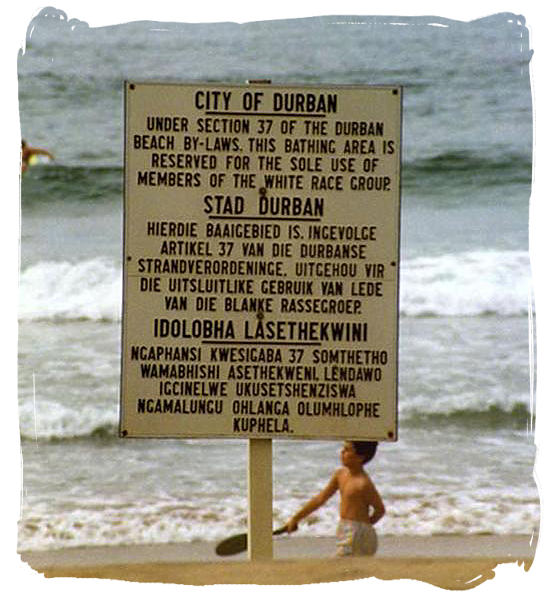


Fugard/Tsotsi
1. Theme central to his work: "the struggle of people trapped in bonds of family, love or dependency, oppressed by systems to which they lack the keys of analysis or insight."
2. Idea central to his work: "The effect of its (apartheid) regime of humiliation, he suggested, was to abort hope and drive the persecuted to turn on those lower down the survival chain."
3. Where identity comes in: ... yet Tsotsi knows nothing of himself, not name nor age nor origins. Shorn of history, he has no identity, and when he thinks of himself he thinks of darkness. How does one reach an accommodation with such an entity? Initially Fugard implies that it cannot be done; his character appears to have no point of human access, like the malevolent system that created him."
Points for Discussion
1. Compare the descriptive language used to introduce Tsotsi, Boston, Die Aap, and Butcher. How do the descriptions differ? What are we to think of this gang of males? How do these males symbolize pieces of the South African society?
2. Close reading of passage on bottom of p.6 to top of p.7. How does this balance with the descriptions with the males?
3. Gumboot Dhlamini: How does Fugard develop Gumboot's story? Why does Fugard develop his story so completely?
Sunday, January 10, 2010
Friday, January 8, 2010
Thursday, January 7, 2010
Welcome Second Semester!
1. Let's talk about re-reading some books.
2. Now, let's move on to Tsotsi .... who? But first some terms to discuss: conflict, negotiation, forgiveness. What do these words mean in society? What do they mean in terms of our identity?
2. Now, let's move on to Tsotsi .... who? But first some terms to discuss: conflict, negotiation, forgiveness. What do these words mean in society? What do they mean in terms of our identity?
Subscribe to:
Comments (Atom)